UniPID at Spring Forum for Higher Education International Affairs 2026 in Kotka
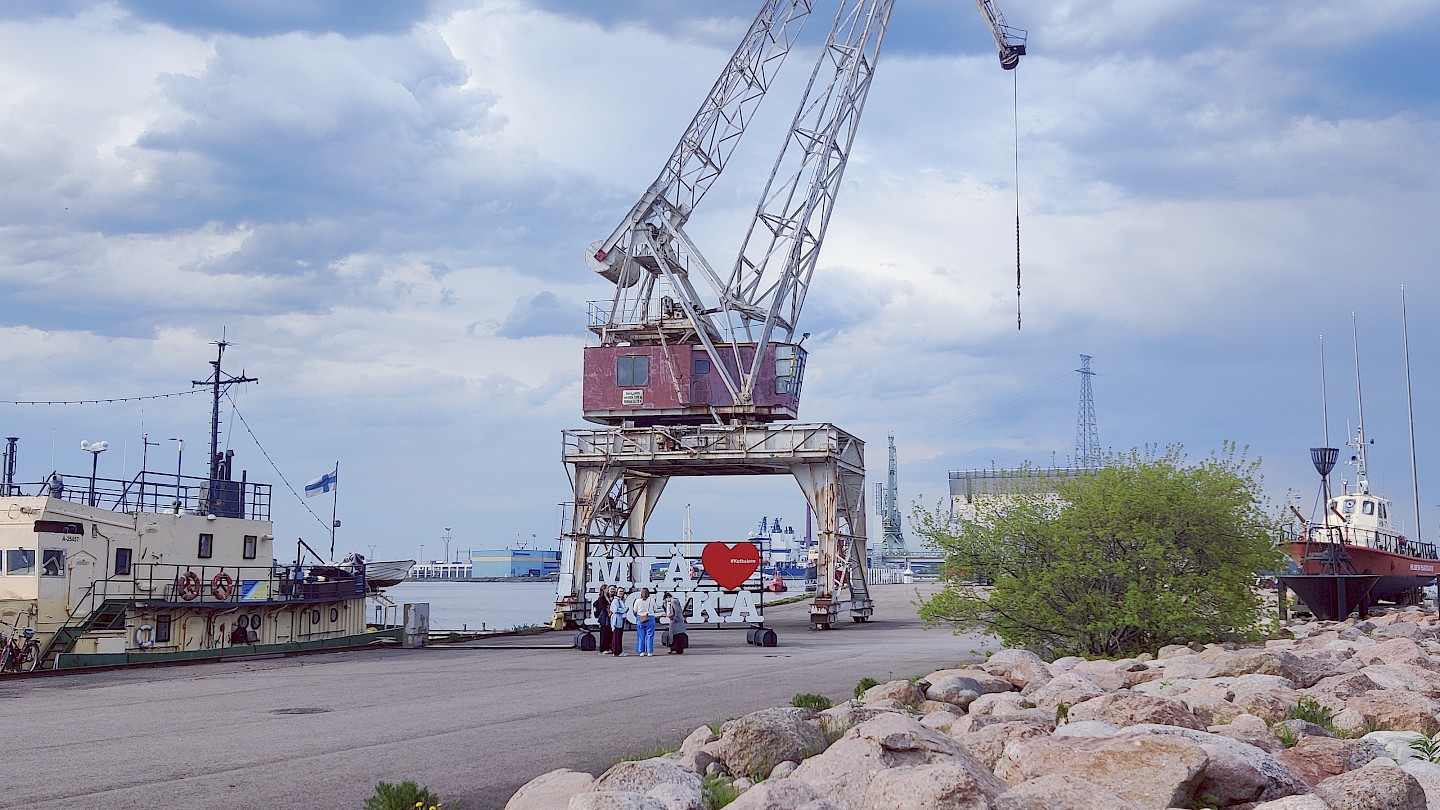
UniPID actively participated in the Spring Forum held in Kotka on 18-20 May. By hosting two sessions, UniPID's contributions highlighted growing collaboration between Finnish and African higher education, and the potential of COIL to make learning more accessible through virtual collaboration and international partnerships.
Network meeting
UniPID’s first session was a network meeting for practitioners and researchers active in Africa collaboration. The meeting brought together representatives from Finnish higher education institutions to hear updates on the Team Finland Knowledge (TFK) network and the services provided by the TFK Specialist in Southern Africa. The meeting also introduced ongoing efforts to build a more structured partnership forum between Finnish and South African higher education institutions. Veera Virmasalo, TFK specialist based at the Finnish Embassy in Pretoria, introduced the background and current status of the initiatives.
The programme of the meeting also included a presentation of the forthcoming Study and Research in Africa (SRIA). Presented by Annika Sundbäck-Lindroos from the Finnish National Agency for Education (EDUFI), SRIA is an initiative funded within the Africa-EU Global Gateway Investment Package and focuses on strengthening quality education and skills development.
The initiative is currently under preparation, and it aims to boost the visibility and attractiveness of African higher education, support regional integration, and increase awareness of African EU-funded collaborations in Africa. Upcoming components of SRIA will include funding calls for partnerships between African and European institutions to support collaboration in areas such as project development, EU funding applications, and private sector collaboration.
Exploring COIL: A Path to Global Learning in Higher Education
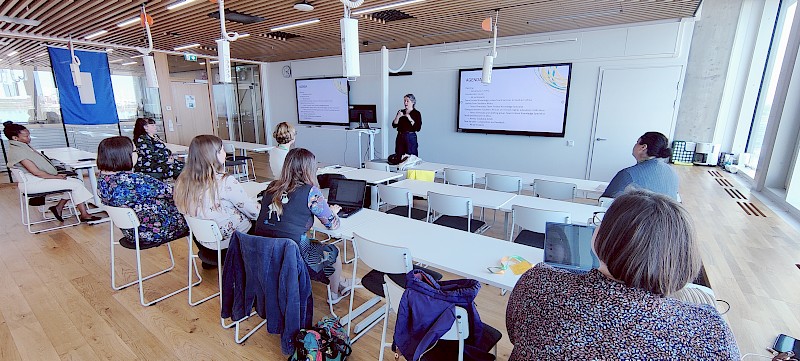
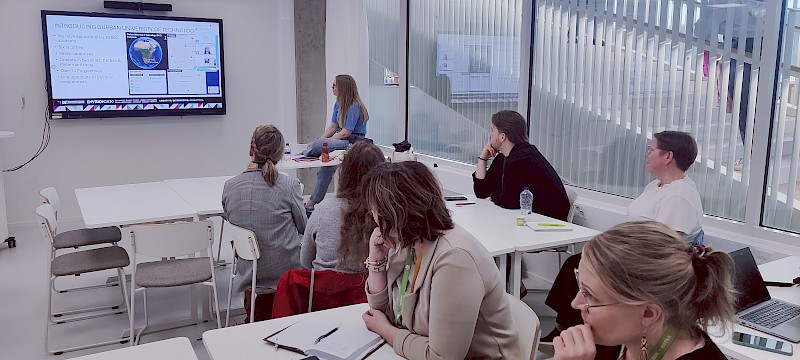
On the following day, UniPID hosted a workshop on Collaborative Online International Learning (COIL), which marked UniPID’s central contribution at Spring Forum. The workshop was jointly facilitated by Kaisa Kurki (UniPID Director), Minenhle Phamela Matthews (COIL Coordinator from Durban University of Technology), and Stinne Vognaes (Senior Project Lead for Student Empowerment in Una Europe, University of Helsinki). The session shared perspectives from Finland and Southern Africa to demonstrate how COIL can reshape global collaboration in higher education based on the ongoing TFK project Globus led by UniPID.
What is COIL and Why Does It Matter?
COIL is a structured approach to virtual internationalisation. Unlike informal online exchanges, COIL is intentionally designed, embedded into existing courses, and focused on achieving specific learning outcomes. Through co-teaching and collaboration between educators from different countries, students engage in shared learning experiences that foster intercultural understanding.
One key takeaway from the workshop was that COIL is not an “add-on” or extra workload. Instead, it enhances existing curricula. Educators are encouraged to identify one or two learning outcomes where international collaboration can add the most value.
In a world where physical mobility opportunities remain limited, especially in regions like Africa where only a small percentage of students can study abroad, COIL offers an alternative. It makes international learning more accessible, inclusive and scalable, supporting a more equitable approach to global education.
The case of Durban University of Technology
One of the highlights of the workshop was an example from the Durban University of Technology (DUT), a global pioneer in COIL implementation. Since its first COIL project launched in 2016, the institution has completed over 200 COIL projects across its six faculties.
Today, COIL is not just a teaching method at DUT - it is a core part of the university’s internationalisation strategy. The university’s approach demonstrates how COIL can evolve from isolated initiatives into a systemic, institution-wide practice. Dedicated support structures, including COIL coordinators, training workshops, and institutional incentives, have enabled DUT to scale its efforts successfully. At DUT, participation in COIL is even recognized in performance evaluations and incentives, demonstrating how institutional recognition plays a crucial role in motivating educators.
Challenges – and how to overcome them
Despite its promise and potential, COIL is not without challenges. The workshop discussions acknowledged several common barriers, including the workload and time constraints for educators, time zone differences, digital inequalities, administrative and institutional support gaps, as well as uncertainty around intercultural facilitation and assessment. Interestingly, many of these challenges are not technical but relational and institutional. Successful COIL implementation depends on strong partnerships, clear communication, and supportive organisational structures.
A recurring theme throughout the discussions was the importance of institutional support and ownership. Should COIL be led by international offices, academic departments, or curriculum development teams? Clear roles and responsibilities are essential for sustainable implementation.
Effective COIL projects require thoughtful design. Some key principles include that activities are aligned with learning outcomes, time zones and academic calendars are accommodated, inclusive participation is encouraged across communication styles, and students are provided with structured facilitation and clear guidance. It is further important to incorporate reflection and assessment, as well as support intercultural relationship-building. Importantly, technology should enable, not drive, the learning experience. The focus should always remain on pedagogy and student engagement.
Looking Ahead
The discussions at Spring Forum made it clear that COIL represents a powerful and underutilized tool for internationalization. As highlighted in the workshop, “COIL has so much to offer and its potential is basically limitless.” With the increasing demand for global competencies and the need for sustainable, accessible internationalization models, COIL is poised to play a central role in the future of higher education. Projects like Globus, which bring together Finnish and Southern African partners to co-create virtual courses, demonstrate how collaborative approaches can strengthen global partnerships and expand learning opportunities. Ultimately, COIL is about more than connecting classrooms—it is about building bridges between cultures, perspectives, and knowledge systems.
Interested in learning more?
Explore UniPID’s resources, including webinars, toolkits, and case studies, to start your own COIL journey and bring global collaboration into your teaching.
Photo credits: Kaisa Kurki